
Departs 17 Jan
Popular 4 days, 3 nights Cultural
Addis Ababa
Timket in Addis Ababa
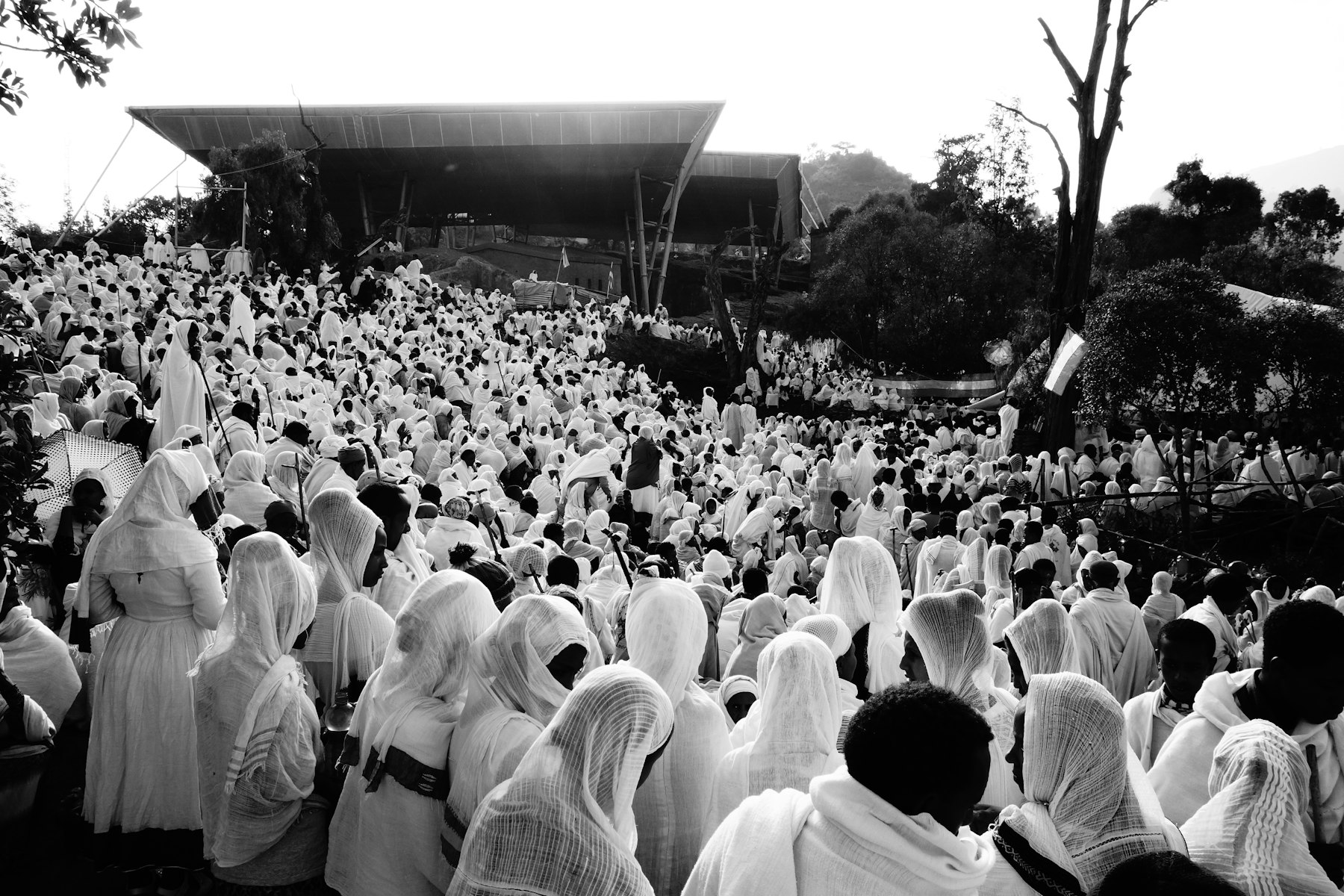
Walk beside the tabots to Jan Meda on the eve, then stand in the crowd at dawn as the blessed water falls.
Cultural journeys
Follow the tabots to Fasilides’ Bath on the eve, then watch the bishop bless the pool and young men leap in.
Paused while Amhara is under official travel warnings and flights to Gondar are not running normally.
Departs 17 Jan
Addis Ababa
Walk beside the tabots to Jan Meda on the eve, then stand in the crowd at dawn as the blessed water falls.
Overview
Most of the year, Fasilides’ Bath in Gondar is an empty stone pool gripped by tree roots. For Timket, a nearby river is turned into it. On the eve, priests carry the tabots of the city’s churches there under velvet umbrellas, and many families keep watch beside the water through the night. At dawn the bishop blesses the pool with the cross, and young men leap in and splash the crowd. For the faithful, the pool is the Jordan; people carry its water home to sick relatives.
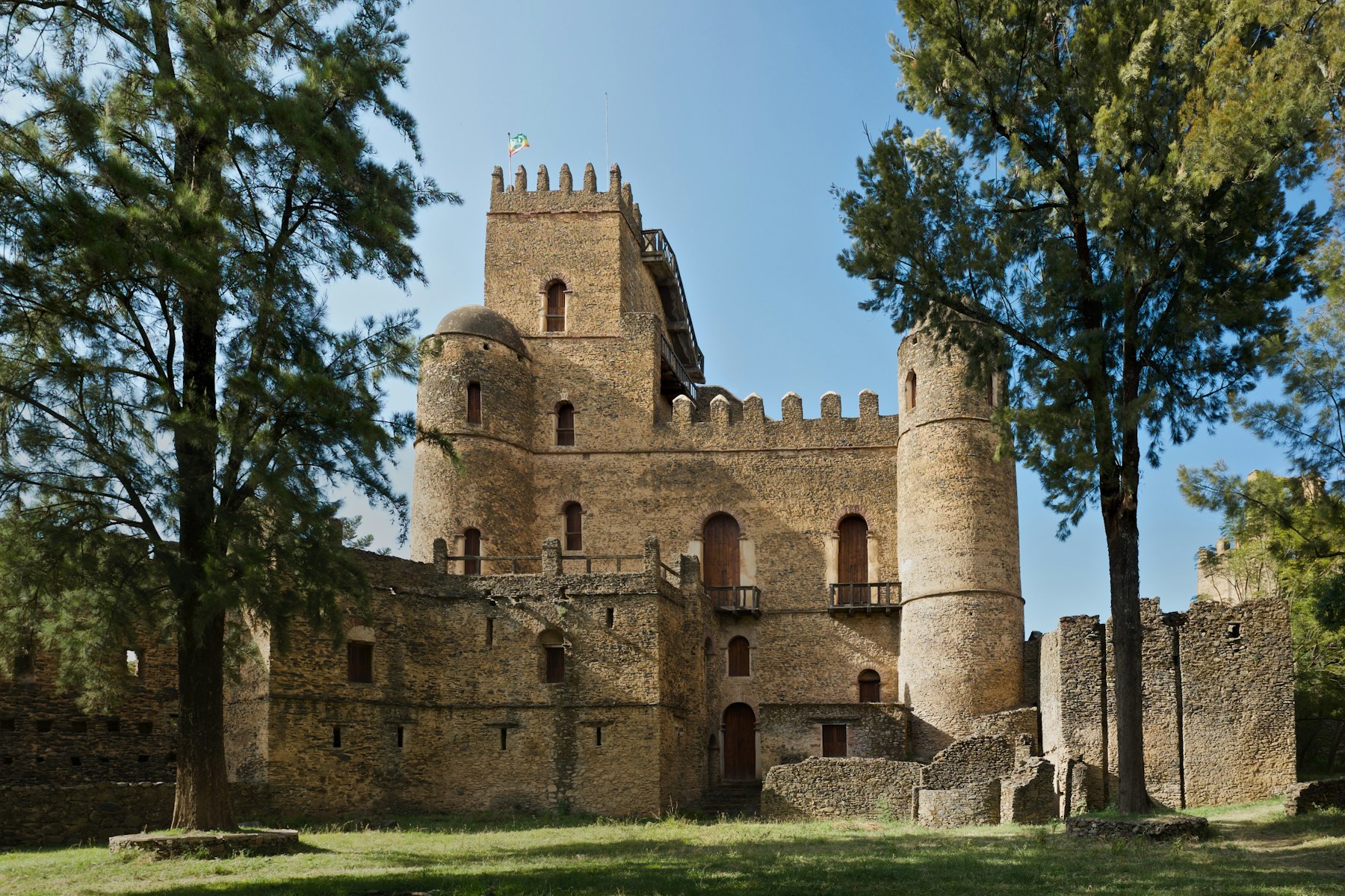
Around the festival stand Gondar’s 17th-century castles. This route is paused for now; we will reopen it when it is safe.
Itinerary
Your guide meets you at Bole International Airport on Saturday 16 January. Over dinner, we explain the tabot and why it is never shown, what to wear, and how to stand in a crowd of worshippers without getting in their way.
A morning flight north to Gondar. In the afternoon we walk Fasil Ghebbi, the royal enclosure Emperor Fasilides began in the 17th century, its stone castles inside a wall about 900 m long with 12 gates. The town is already filling with pilgrims.
A slow morning. In the afternoon the tabots leave their churches, priests in embroidered robes, deacons drumming, and walk through the streets to Fasilides’ Bath. We follow one procession, stay for the evening prayers by the pool, then return to the hotel.
We leave before dawn for the bath. After the night’s prayers and readings, the bishop blesses the water, and young men jump from the walls into the pool, throwing water over everyone within reach. Later the tabots walk home through singing streets, and we sit down to a festive lunch.
In the morning, the 80 angel faces painted on the ceiling of Debre Birhan Selassie, a church built under Emperor Iyasu I in the 1690s. Some tabots, including those of Saint Michael’s churches, go home today, so the singing returns. A farewell dinner closes the festival.
A morning flight back to Addis, lunch together, then a transfer to Bole for your flight home.
Itineraries can change with weather, road and flight conditions. We will tell you promptly if they do.
Gallery
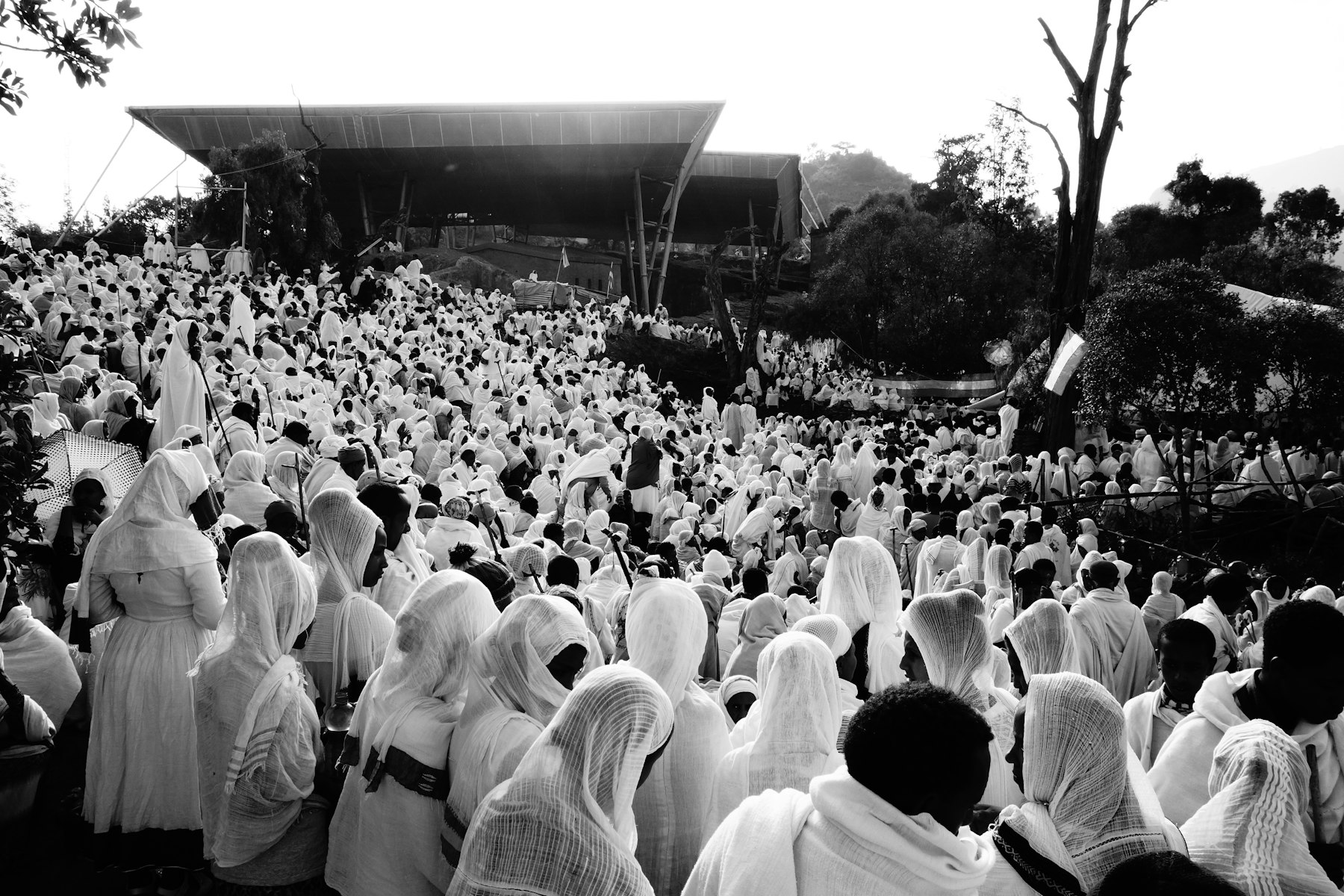
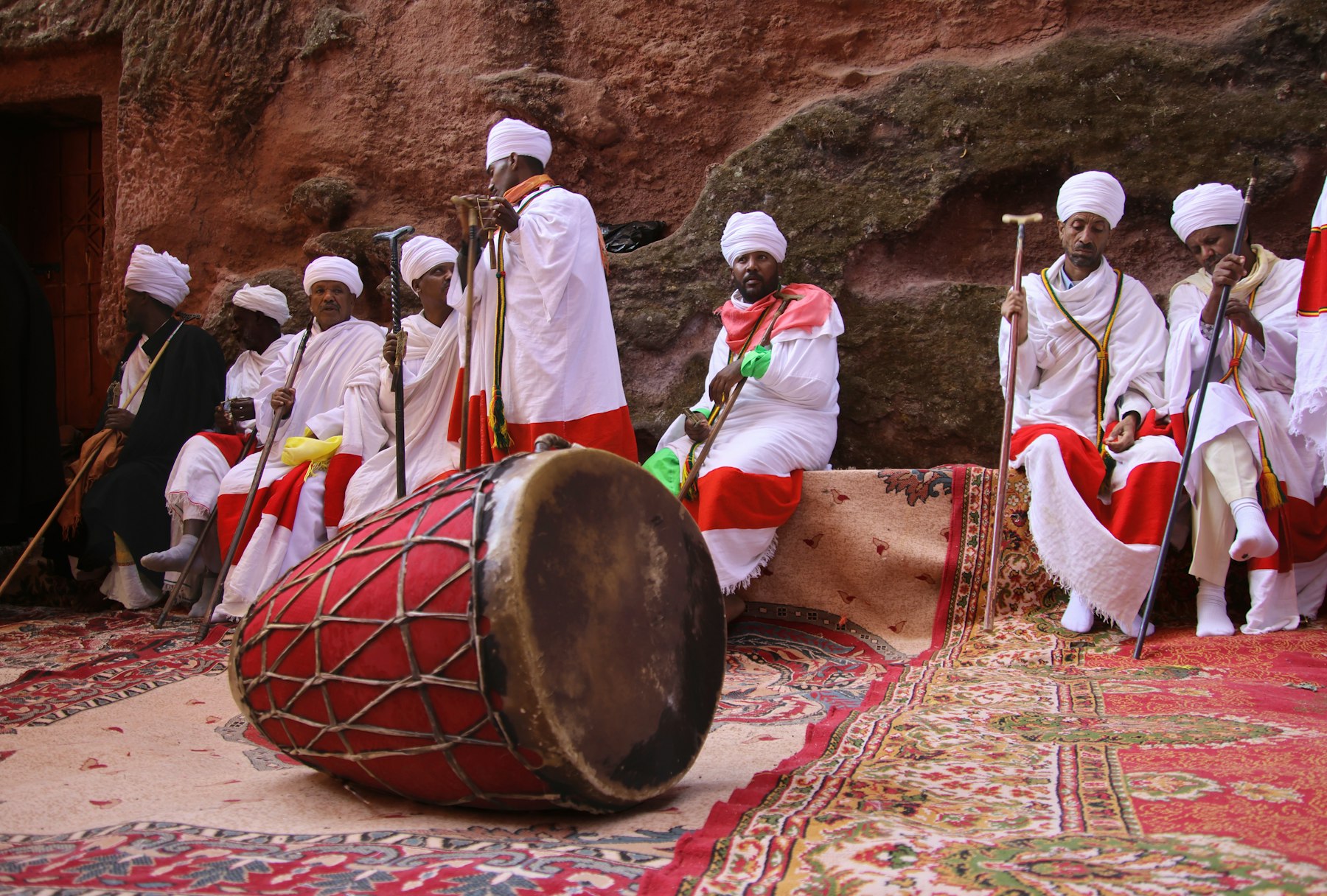
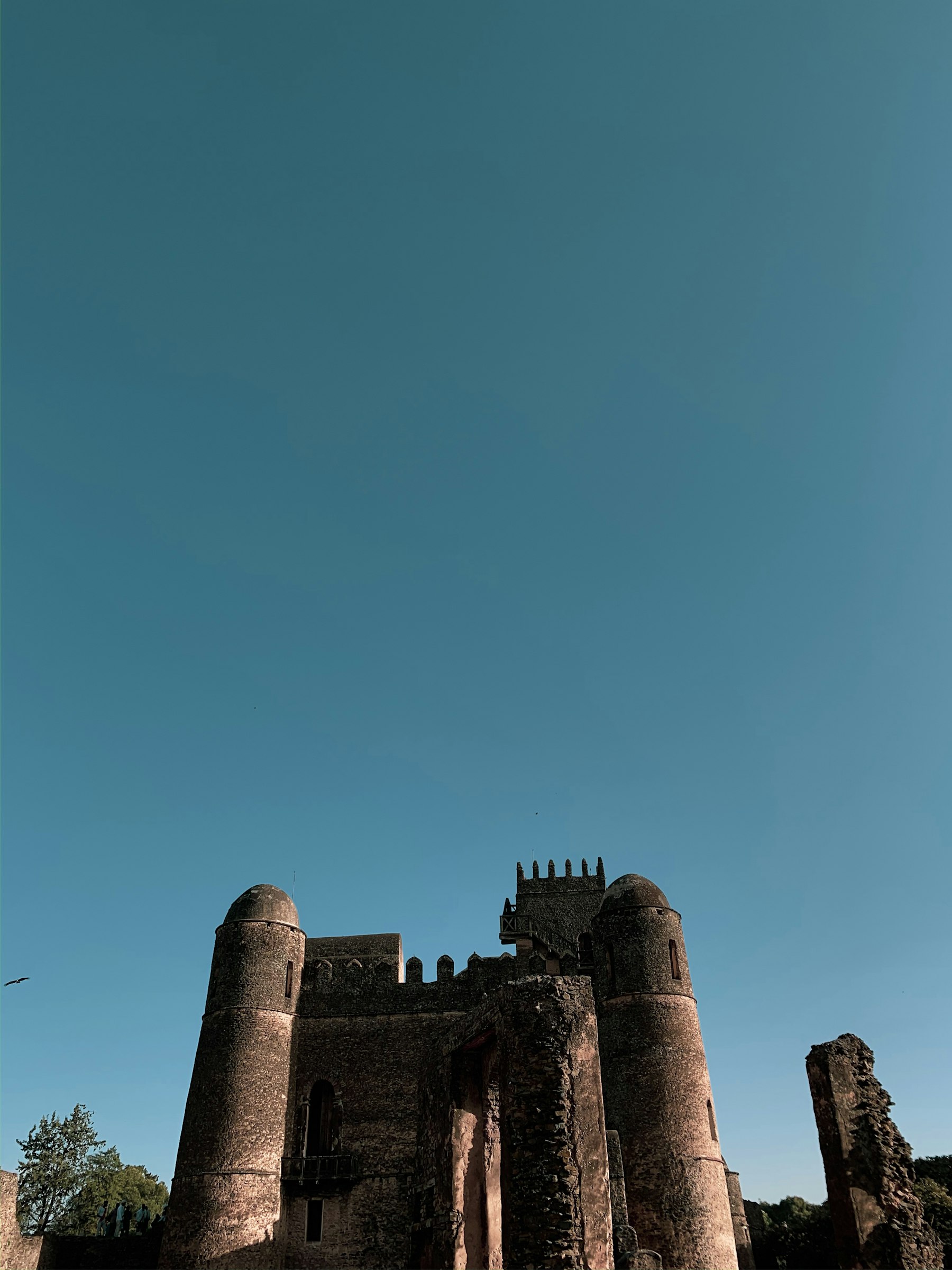
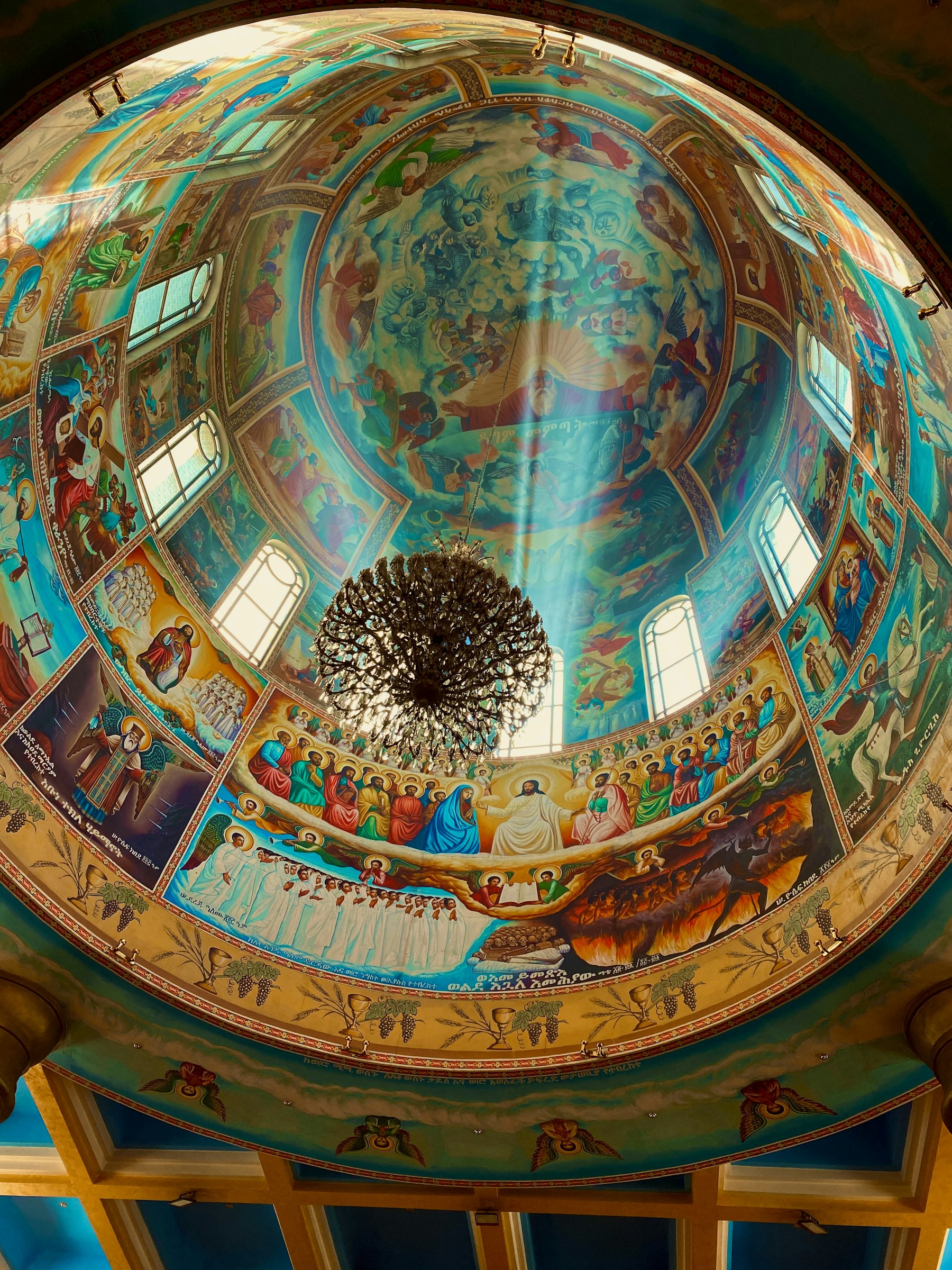
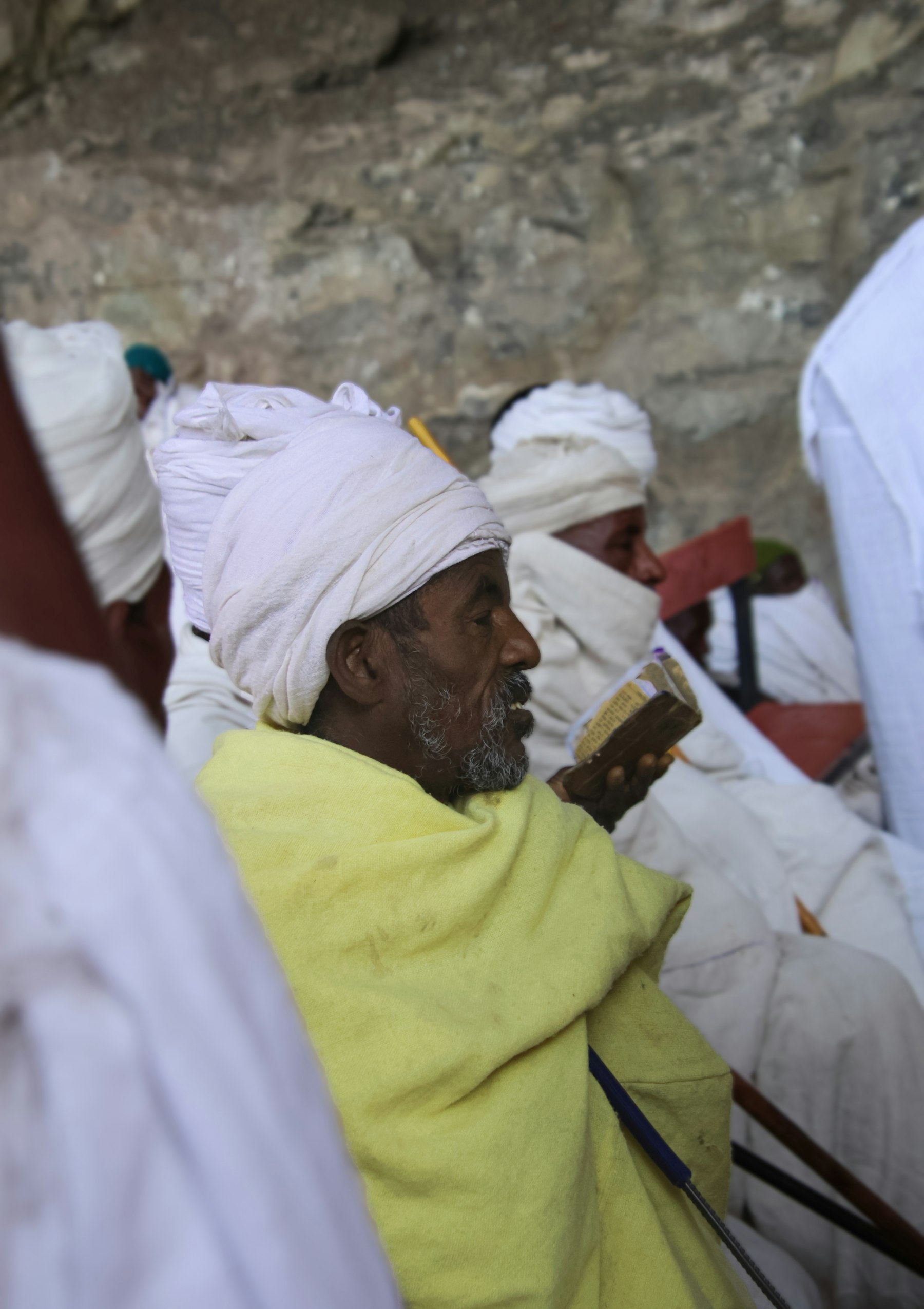
Photo: Unsplash
Good to know
Dress code: White or light clothing with shoulders and knees covered; we provide traditional white clothing for both festival days.
This tour follows the Strict policy. Days are whole calendar days before departure.
| When you cancel | What you get back |
|---|---|
| 30 or more days before departure | 50% refund |
| Fewer than 30 days before departure | No refund |
A non-refundable USD 150 per traveller (domestic flights) is deducted before these percentages are applied.
Questions
You may also like
Departs 17 Jan
Addis Ababa
Walk beside the tabots to Jan Meda on the eve, then stand in the crowd at dawn as the blessed water falls.
Length 04 days
Omo Valley
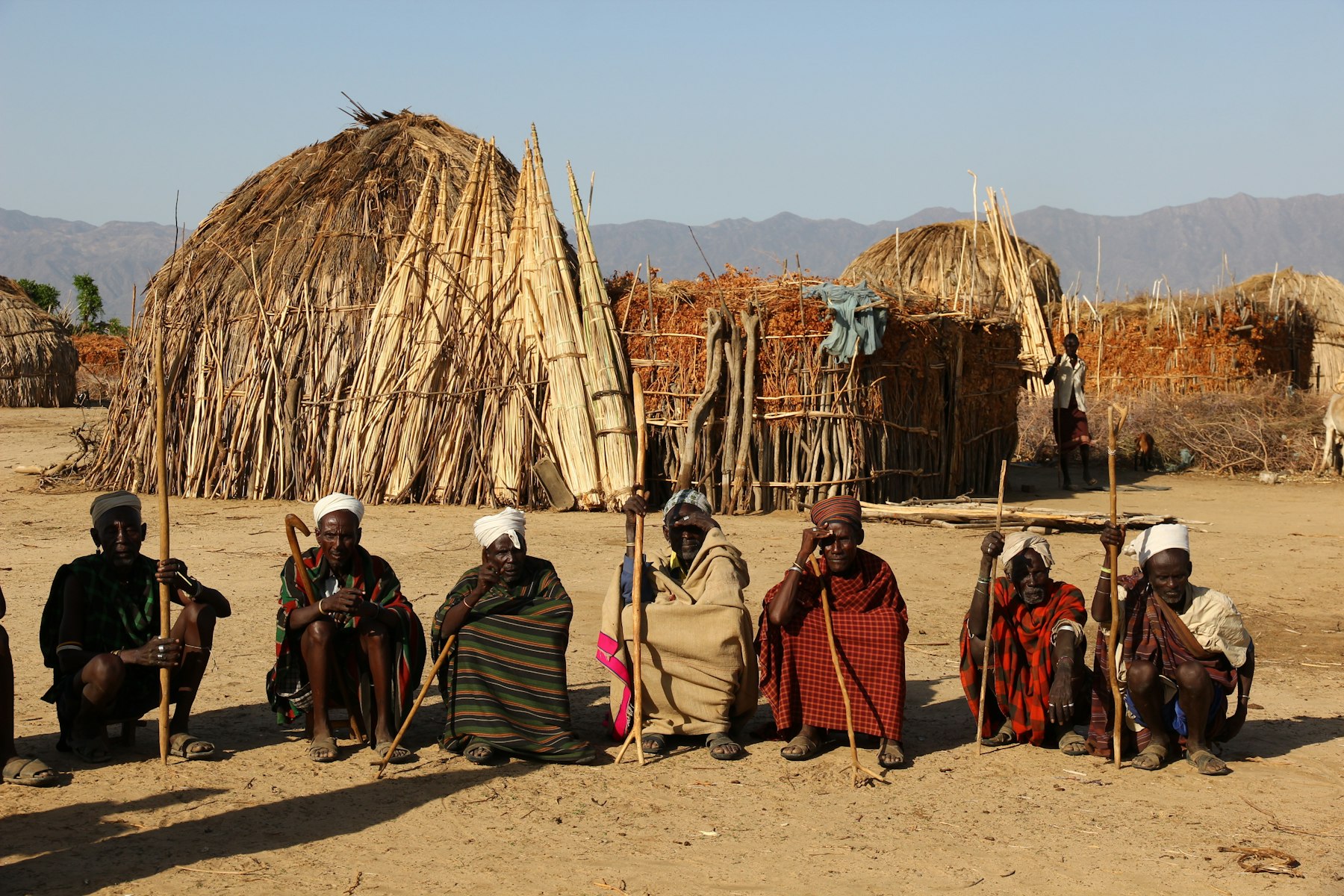
Four days in the Lower Omo, from Ari farms around Jinka to the Karo village on its bluff above the river.
Length 02 days
Harar
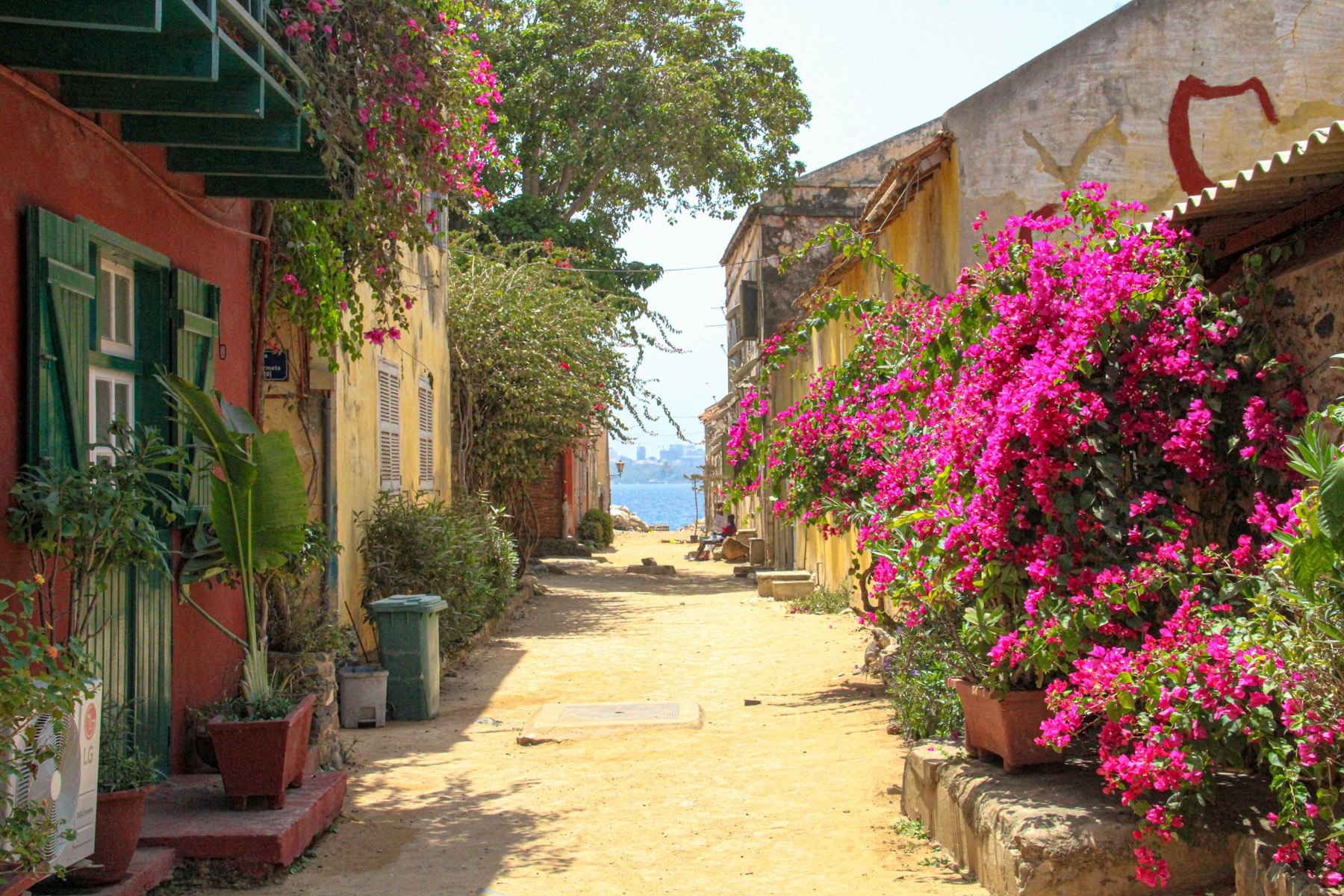
A walled Muslim city of painted houses and narrow lanes, explored with a Harari guide, and wild hyenas fed by hand at dusk.

Plan with us
Choose your dates above, or tell us what you have in mind and we will shape the trip around you.