Why Ethiopia
The oldest story most people have never been told
Ethiopia was one of the great powers of the ancient world. It kept its independence through the age of empires, wrote its own books in its own alphabet, and is still the place where every human family tree begins.
Why we do this
A note from Dejene
I was born in Ethiopia and went to school in the United States, and I’ve spent my adult life going back and forth between the two. In America, when I said where I was from, people usually knew two things: coffee and famine. Neither is wrong. Both leave out almost everything.
They leave out Aksum, which traded with Rome. They leave out Adwa, where an African army defeated a European one. They leave out the music, the runners, the fasting food that turns half the country vegan for months of the year, the mountains where wolves live above the clouds.
That’s why we do this work. Ethiopia shouldn’t need an introduction, but it does, and we’d like to be the ones to make it.
Dejene Hodes, founder
What you’ll find here
Far more than churches and coffee
-
Some of the oldest history on earth
Lucy, 3.2 million years old, and Selam, a child of the same species, were both found in the Afar region. At Melka Kunture, an hour from Addis, stone tools lie where they were dropped up to 1.7 million years ago. In the north, the stelae of Aksum stand more than 20 metres high.
-
A civilisation with its own systems
Ethiopia writes in Ge’ez script, one of the few original alphabets still in daily use. It keeps a 13-month calendar, seven to eight years behind the one you know, and starts the clock at dawn: ask someone the time and you’ll get an answer six hours different from your phone.
-
The country that wasn’t colonised
In 1896, Emperor Menelik II and Empress Taytu led an army that defeated Italy at Adwa. Apart from a five-year occupation in the 1930s, Ethiopia stayed independent. The African Union is headquartered in Addis Ababa.
-
Faith in daily life
Ethiopia adopted Christianity in the fourth century, and Islam reached it during the Prophet Muhammad’s lifetime. Churches cut from solid rock, a walled Muslim city with 82 mosques and monasteries on islands in Lake Tana are all part of the same country.
-
Landscapes that change by the hour
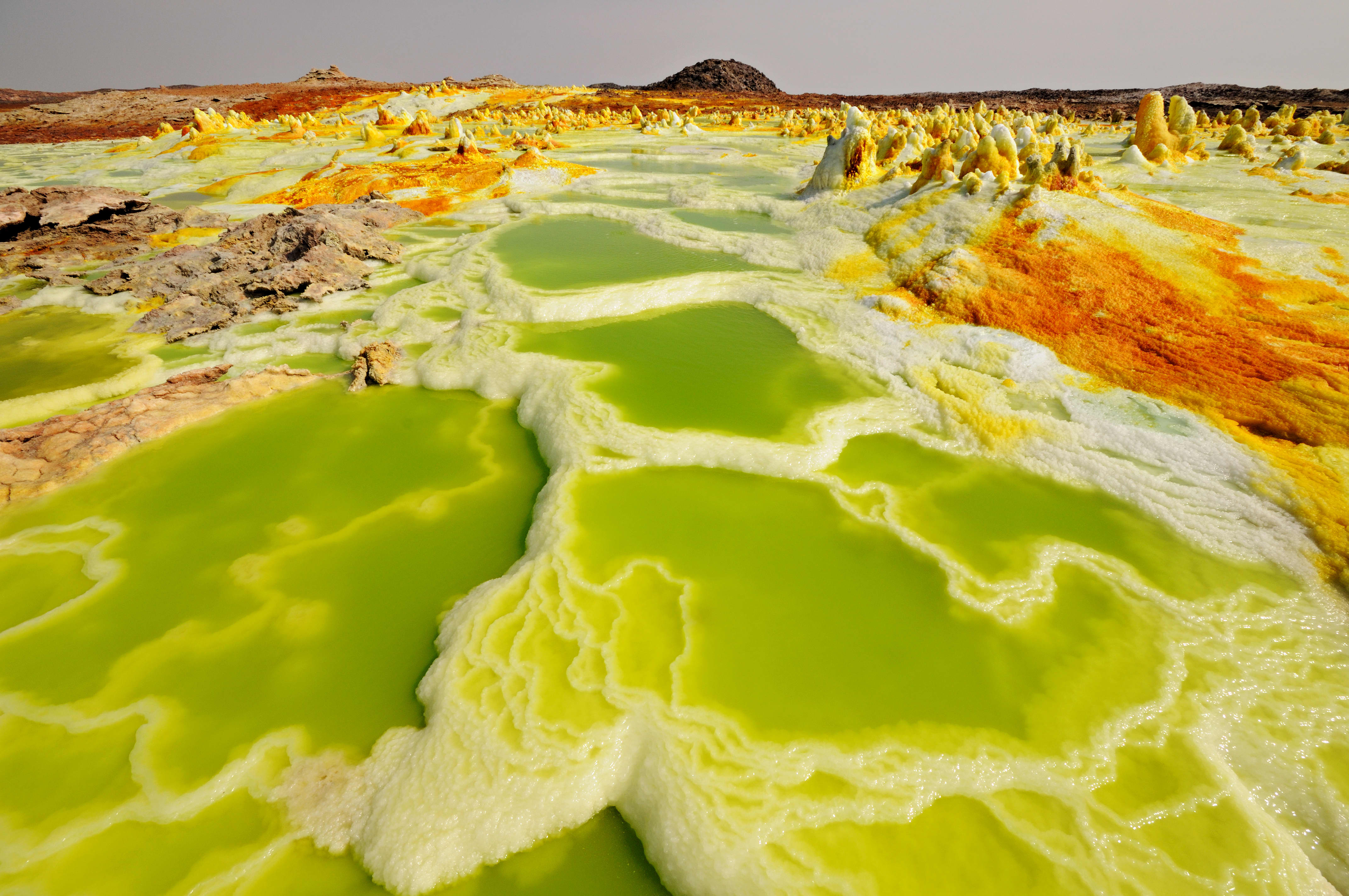
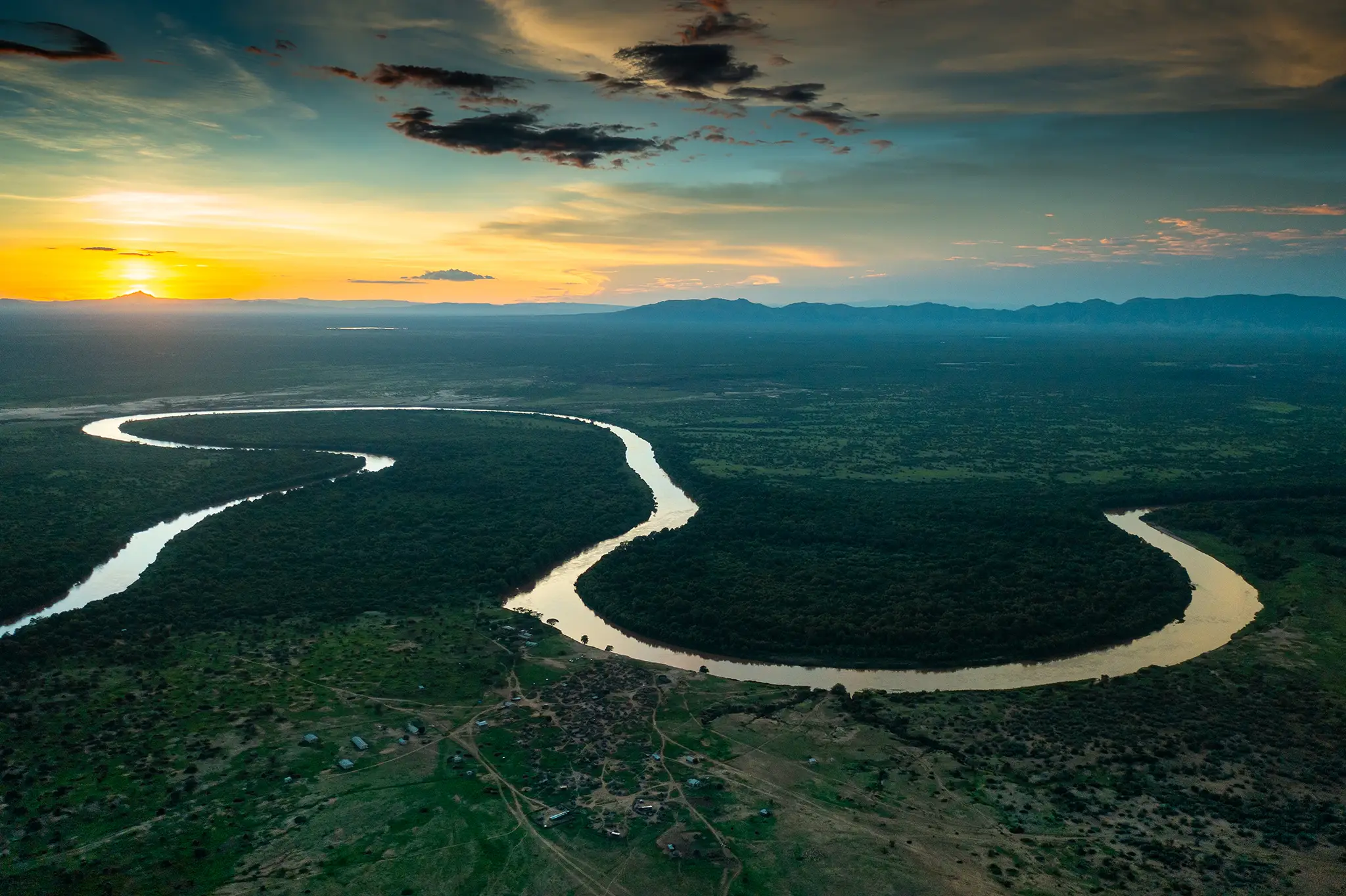
The Danakil Depression sits more than 100 metres below sea level; the Bale Mountains rise above 4,000 metres, home to the Ethiopian wolf. Between them: Rift Valley lakes full of pelicans, crater lakes an hour from the capital and the source of the Blue Nile.
-
Food unlike anywhere else
Everything sits on injera, a sour, spongy flatbread made from teff. Orthodox Christians fast on Wednesdays, Fridays and for long seasons each year, so most restaurants serve a full vegan menu. Try tej, a honey wine, in a traditional tej house.
-
Music and movement
Ethio-jazz, azmari singers who improvise verses about the people in the room, and eskista, a dance done almost entirely with the shoulders. Most nights in Addis there’s live music within a short drive of your hotel.
-
Eighty languages, one country
More than 80 peoples, each with its own language, dress and traditions. The Harari, the Sidama, the Oromo, the Amhara, the Mursi and the Hamer could all be different countries. Moving between regions is part of the trip.
Good to know before you go
The practical bits
- Altitude
- 2,355 mAddis Ababa sits at 2,355 metres (7,726 feet). Days are mild and mornings are cool all year.
- Getting there
- Ethiopian AirlinesAfrica’s largest carrier flies to Addis from several US and European cities.
- Time
- UTC+3Ethiopia is on East Africa Time all year.
- Language
- AmharicThe working language. English is widely spoken in hotels, tourism and business.
When to go
Three seasons, three trips
-
October to February
Dry season
Clear skies, green hills after the rains, the major festivals. Our busiest months.
-
March to May
Short rains
Occasional afternoon showers, fewer visitors, good value.
-
June to September
Main rains
Green and dramatic, cool in the highlands. Good for Addis and parts of the south.
Plan with us
Start with a conversation
Tell us what interests you, whether that’s history, wildlife, food, music or faith, and we’ll tell you where in Ethiopia to find it.