
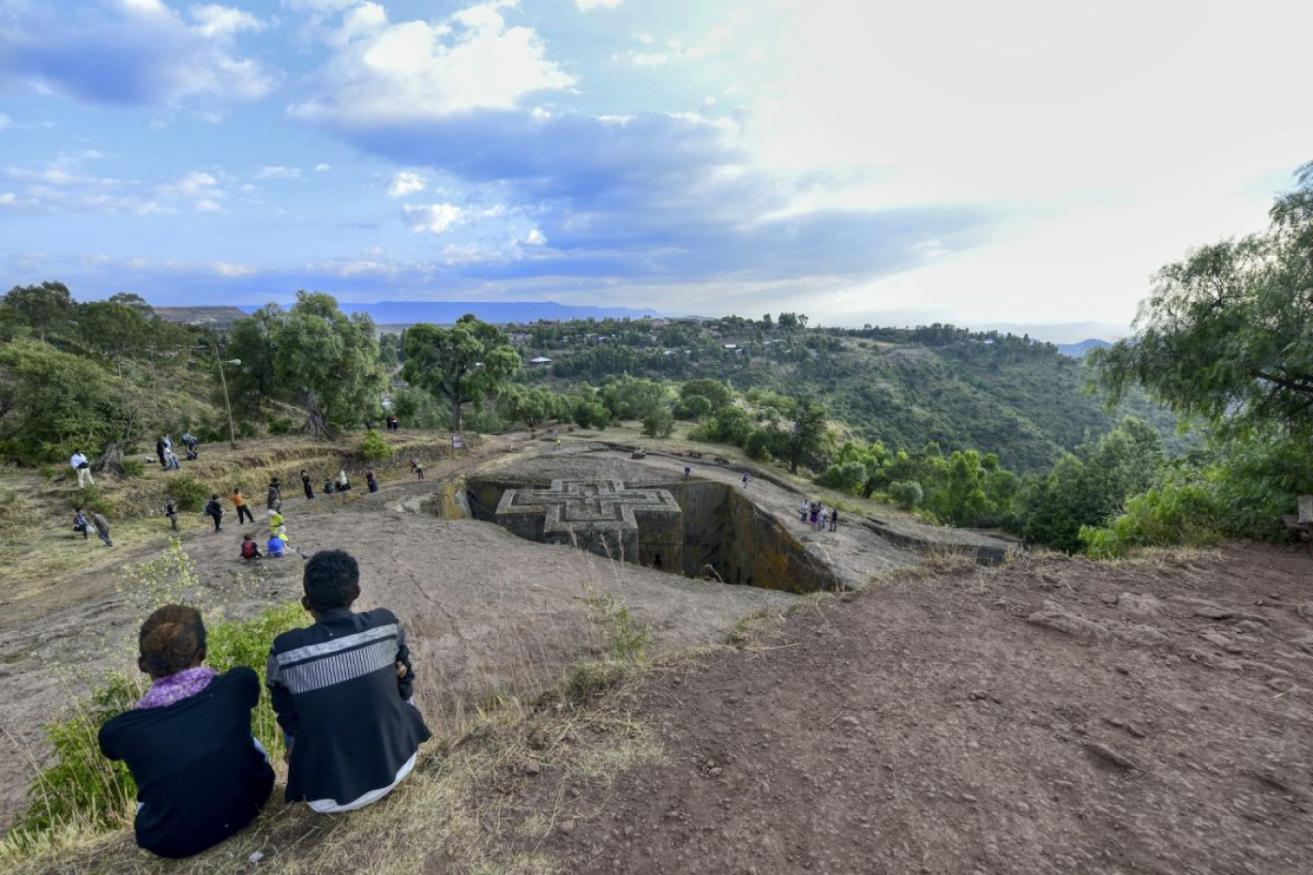
Nothing quite prepares you for the first sight of Bete Giyorgis. You walk across a plain of reddish volcanic rock, and suddenly the ground opens: twelve metres below you, a church in the shape of a cross has been carved downwards out of a single block of stone, roof first. It has been doing its job, as a working church, for around eight hundred years.
Lalibela, in the highlands of the Amhara region at roughly 2,500 metres, is home to eleven monolithic churches commissioned under King Lalibela of the Zagwe dynasty in the late 12th and early 13th centuries. UNESCO listed them as a World Heritage Site in 1978, among the very first sites on the list. Unlike most monuments of that age, they are not ruins: priests chant here at dawn, pilgrims sleep in the courtyards, and services follow the Ge’ez liturgy as they always have.
How the site is laid out
The churches fall into two main groups, linked by trenches and tunnels, with Bete Giyorgis standing on its own to the west.
- The northern group includes Bete Medhane Alem, often described as the largest monolithic church in the world, and Bete Maryam, whose painted ceilings and carved windows reward a slow visit.
- The eastern group includes Bete Amanuel, with its fine exterior detailing, and Bete Abba Libanos. A pitch-dark tunnel here symbolises the path to hell; walking it with a guide is part of the experience.
- Bete Giyorgis, the Church of St George, is the one on every postcard. Visit it twice: once in the afternoon light, and once from above at the end of the day.
A seasonal stream that runs through the site is called the Yordanos, the Jordan. The symbolism is deliberate: Lalibela was conceived as a “New Jerusalem” in the highlands.
How many days to give it
One full day covers the churches; two days let you see them properly and add the countryside. Our usual plan is:
- Day one: the northern group in the morning, the eastern group after lunch, Bete Giyorgis at the end of the afternoon.
- Day two: an early walk or mule ride up to Asheton Maryam monastery, at over 3,000 metres, then an afternoon drive to Yemrehanna Kristos, a church built inside a cave about 40 kilometres away and older than the rock-hewn churches themselves.
When to go
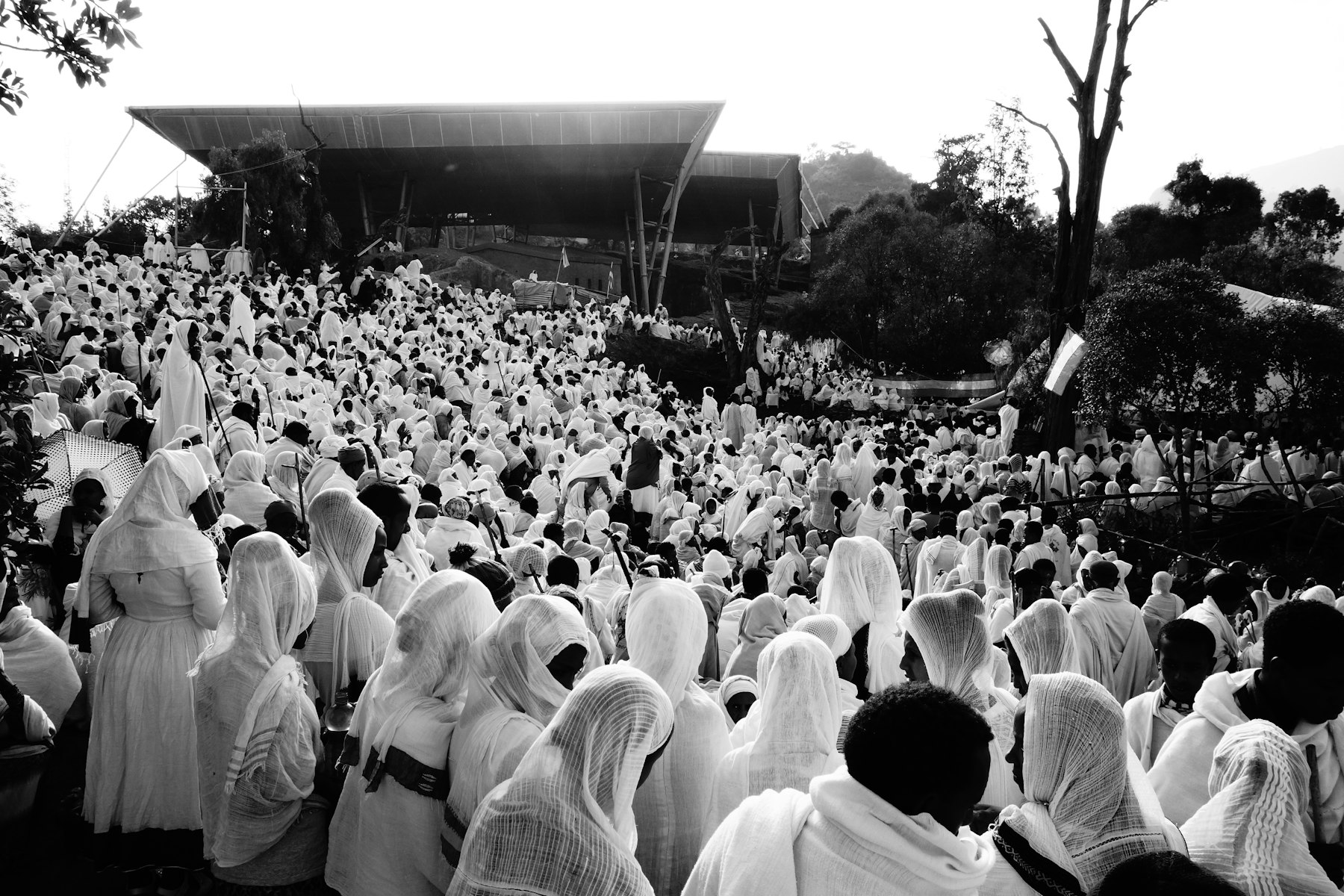
October to March is dry and clear. Two dates change Lalibela completely: Genna, Ethiopian Christmas, on 7 January, when tens of thousands of pilgrims in white gather around the churches for an all-night vigil, and Timkat, Epiphany, on 19 January. Both are unforgettable and both fill every room in town months ahead, so book early or plan to come just after.
Come for the churches, stay for the hour before sunrise, when the chanting starts and the stone is still cold.
Practical notes
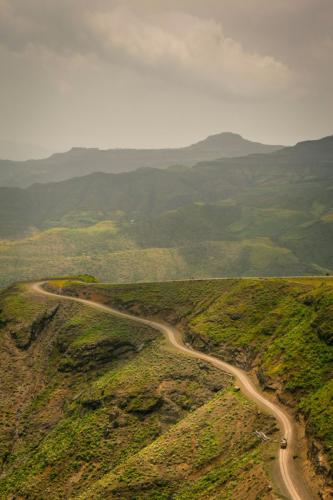
- Lalibela has an airport with daily flights from Addis Ababa, about an hour away. By road it is a long but beautiful day from Gondar or Bahir Dar.
- One ticket covers all the churches for several days. Keep it with you: it is checked at each group.
- Shoes come off at every church door. Bring socks you don’t mind getting dusty, and a small torch for the tunnels.
- Women and men cover their shoulders and knees; a light scarf is useful. Ask before photographing priests or worshippers, and never use flash on the paintings.
- Hire a licensed local guide at the ticket office or through us. The stories behind each church, and the priests who open the inner rooms, are most of the experience.
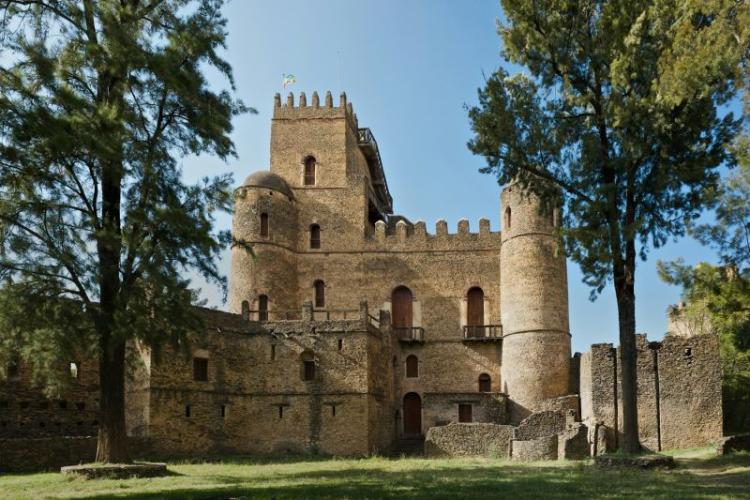
Lalibela sits at the heart of Ethiopia’s historic northern circuit, together with Gondar, Lake Tana and Axum. If you would like it built into a longer trip, tell us how many days you have and we will suggest a route.


Comments
No comments yet. Questions about this trip are welcome too.