A few practical points will help you feel at ease. Conditions change, so check current guidance from your government’s travel advice service before you go.
Money
- The currency is the Ethiopian birr (ETB).
- ATMs are available in larger towns, but they can run out of cash or reject foreign cards. Carry some cash as a backup.
- Cards are accepted in some hotels and larger restaurants, but rarely elsewhere.
- Keep small notes for taxis, markets and tips.
- Exchange rates and rules can change, so ask your guide or hotel for current advice.
Safety
Most visitors travel without problems. A few common-sense habits help:
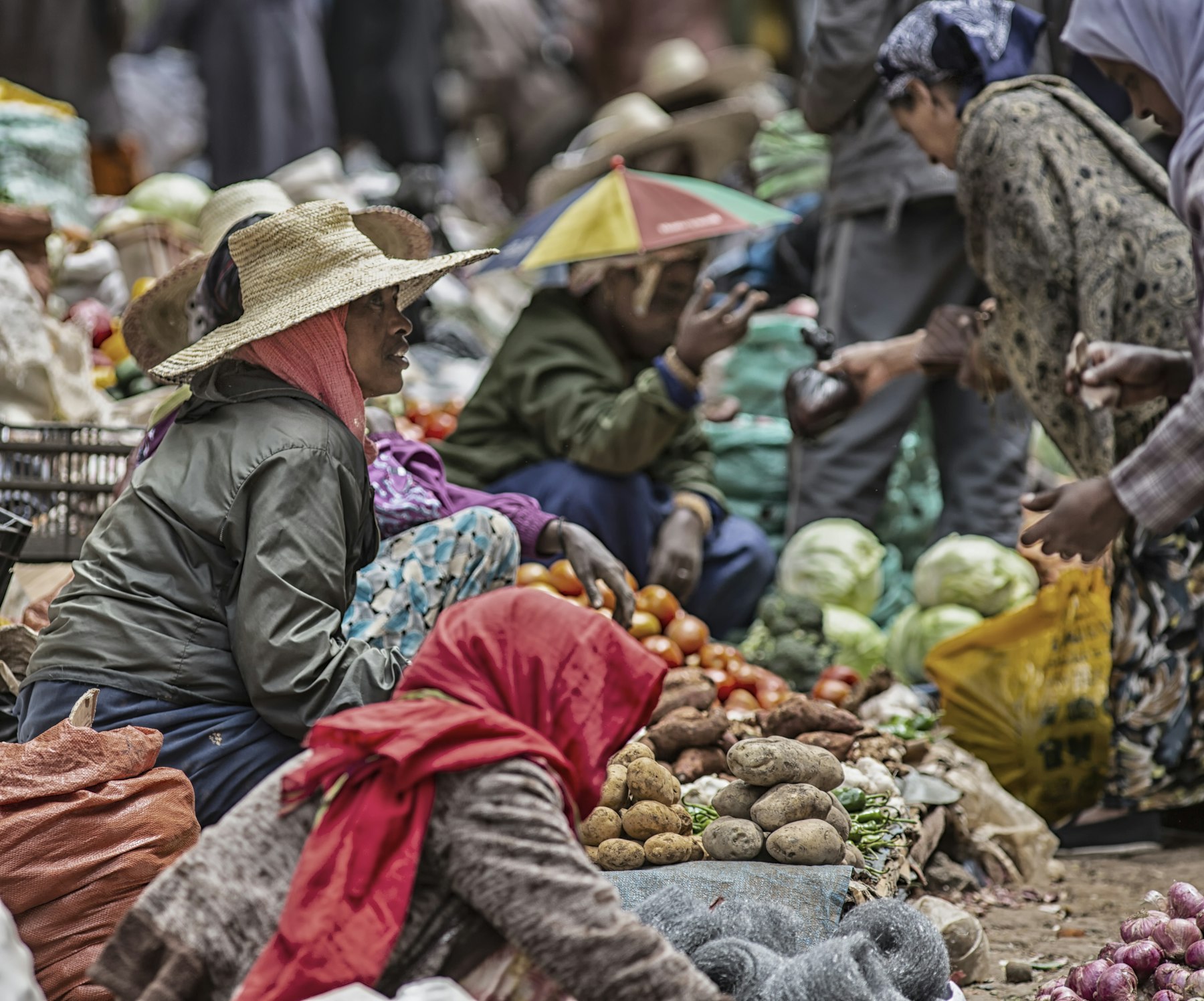
- Keep valuables out of sight in crowded places such as markets.
- Use registered taxis or arrange transfers through your hotel or guide.
- Follow local advice on areas to avoid. Some regions have had unrest or travel restrictions, so check official travel advice before you book and again before you leave.
- Travel to remote areas with a local guide.
Health and altitude
- Many highland sites are above 2,000 metres. Take it easy on your first day, drink water and avoid heavy meals.
- Drink bottled or treated water.
- Ask a travel-health clinic what is advised for your itinerary, and take out travel insurance that covers medical evacuation.
Staying connected
- SIM cards from the national telecom operator are available in Addis Ababa, and you will need your passport to register.
- Hotel Wi-Fi can be slow. Download maps and documents before you go.
- Internet access may be restricted in some places from time to time; do not rely on it for essential bookings.
Respect and photography
- Ask before photographing people, and respect a refusal.
- Dress modestly at religious sites.
- Ask before taking photographs inside churches, where some areas may be restricted.